Questions 1–4 are from the epic poem The Odyssey: Book I by Homer
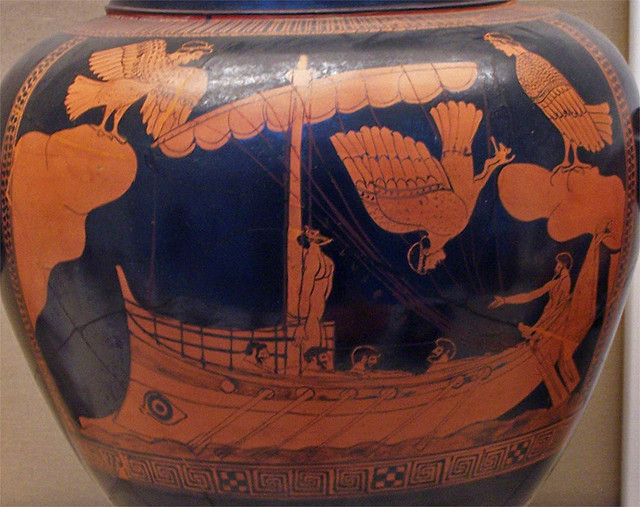
Source: Ulisses i les sirenes, British Museum,
Sebastia Giralt, Flickr
Tell me, Muse, of that man, so ready at need, who wandered far and wide, after he had sacked the sacred citadel of Troy, and many were the men whose towns he saw and whose mind he learnt, yea, and many the woes he suffered in his heart upon the deep, striving to win his own life and the return of his company.
1. This highlighted passage is an example of—
a. in medias res.
b. a call to a supernatural power.
c. imagination.
d. a figure of national importance.
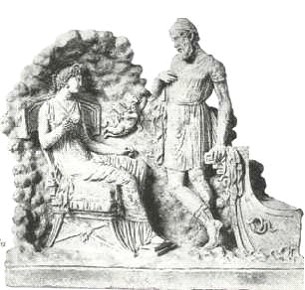
Source: Calypso, Sculptor, Wikimedia
TELL me, Muse, of that man, so ready at need, who wandered far and wide, after he had sacked the sacred citadel of Troy, and many were the men whose towns he saw and whose mind he learnt, yea, and many the woes he suffered in his heart upon the deep, striving to win his own life and the return of his company.
2. This highlighted passage is an example of—
a. in medias res.
b. a call to a supernatural power.
c. imagination.
d. a figure of national importance.
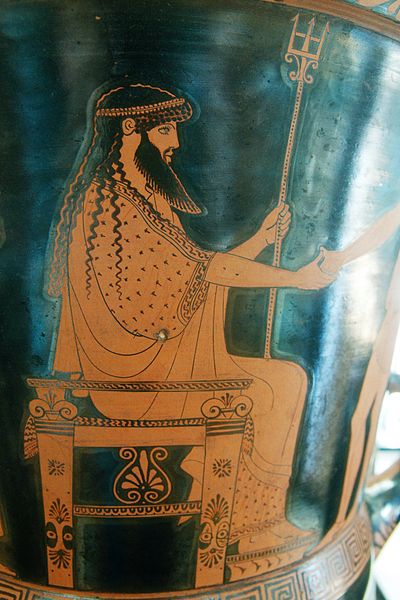
Source: Poseidon enthroned De
Ridder 418 CdM Paris, Syriskos
Painter, Wikimedia
All the rest, as many as fled from sheer destruction, were at home, and had escaped both war and sea, but Odysseus only, craving for his wife and for his homeward path, the lady nymph Calypso held, that fair goddess, in her hollow caves, longing to have him for her lord. But when now the year had come in the courses of the seasons, wherein the gods had ordained that he should return home to Ithaca.
3. This highlighted passage is an example of—
a. in medias res.
b. an epic simile.
c. imagination.
d. a figure of national importance.
Source: Poseidon enthroned De
Ridder 418 CdM Paris, Syriskos
Painter, Wikimedia
Not even in Ithaca was he quit of labours, not even among his own; but all the gods had pity on him save Poseidon, who raged continually against godlike Odysseus, till he came to his own country.
4. This highlighted passage is an example of—
a. in medias res.
b. an epic smile.
c. supernatural intervention.
d. a figure of national importance.
Questions 5–7 are from the lyric poem “I Never Saw a Moor” by Emily Dickinson:
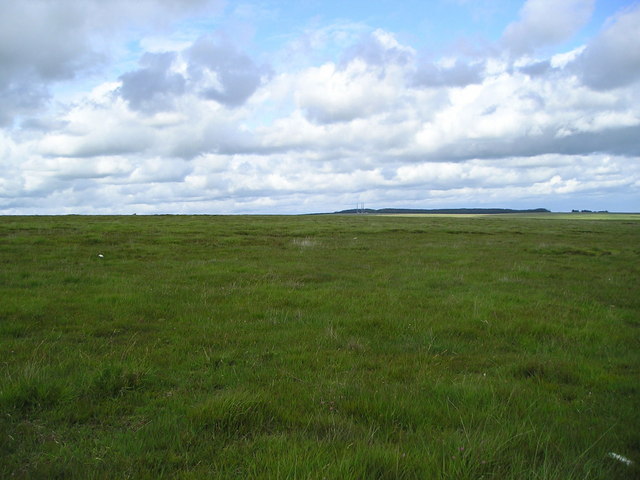
Source: Moor and Moor - geograph.org.uk -
1393050, Marion Phillips, Wikimedia
I never saw a moor,
I never saw the sea;
Yet know I how the heather looks,
And what a wave must be.
5. This highlighted passage is an example of—
a. imagination.
b. emotion.
c. melody and meter.
d. a figure of national importance.
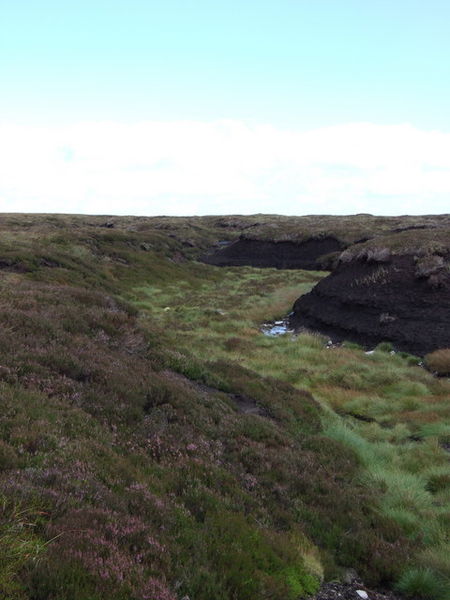
Source: Punchard Moor, Peter
McDermott, Wikimedia
I never saw a moor,
I never saw the sea;
Yet know I how the heather looks,
And what a wave must be.
6. This highlighted passage is an example of—
a. imagination.
b. an epic simile.
c. deeds of great valor.
d. a call to supernatural power.
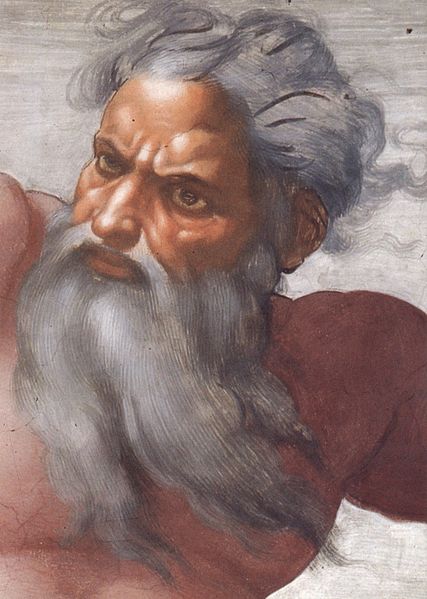
Source: Creation of the Sun and
Moon face detail, Michelangelo,
Wikimedia
I never spoke with God,
Nor visited in heaven;
Yet certain am I of the spot
As if the chart were given.
7. This highlighted passage is an example of—
a. melody and meter.
b. personal feelings.
c. in medias res.
d. deeds of great valor.
All complete. Great job!